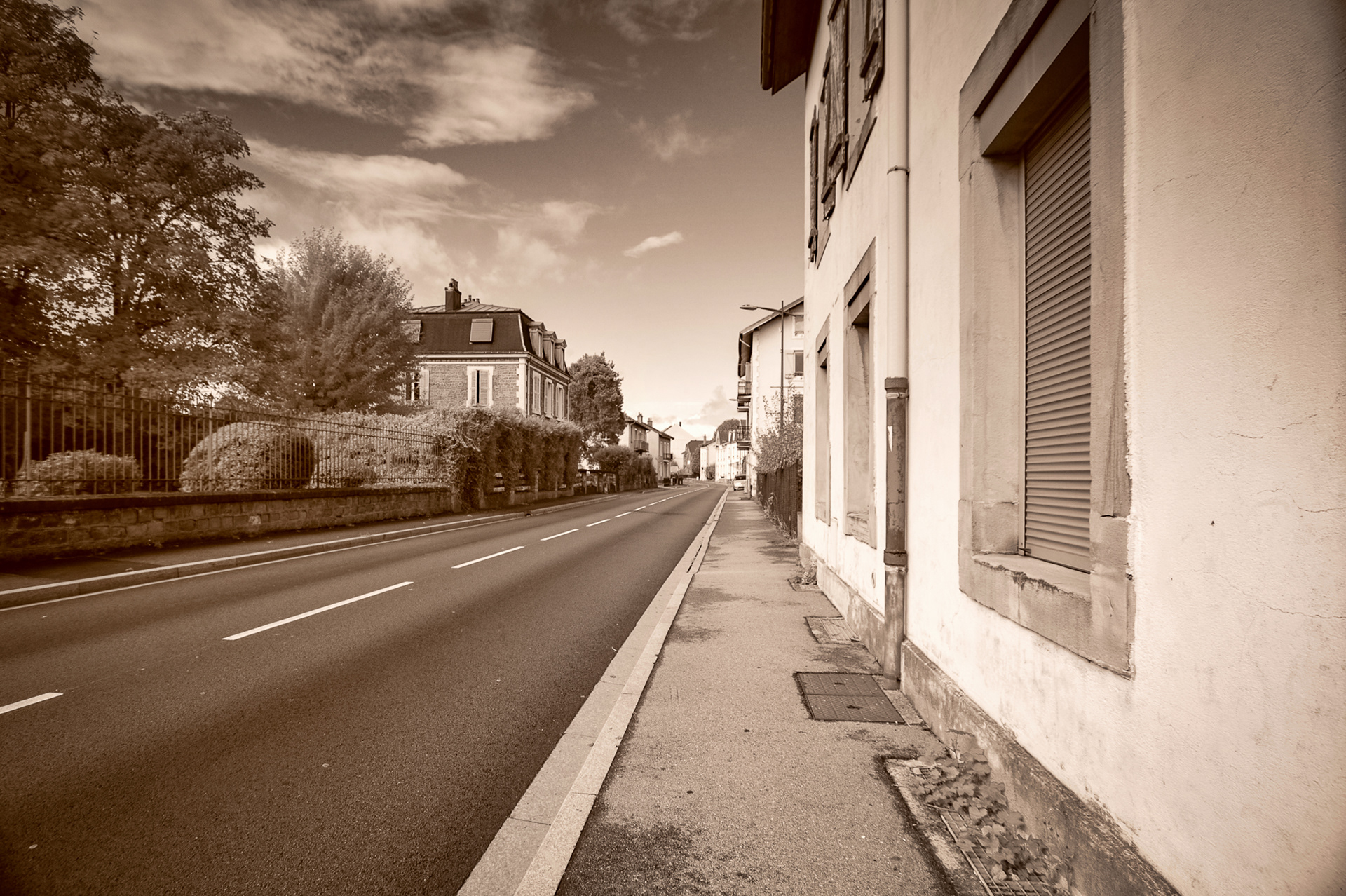
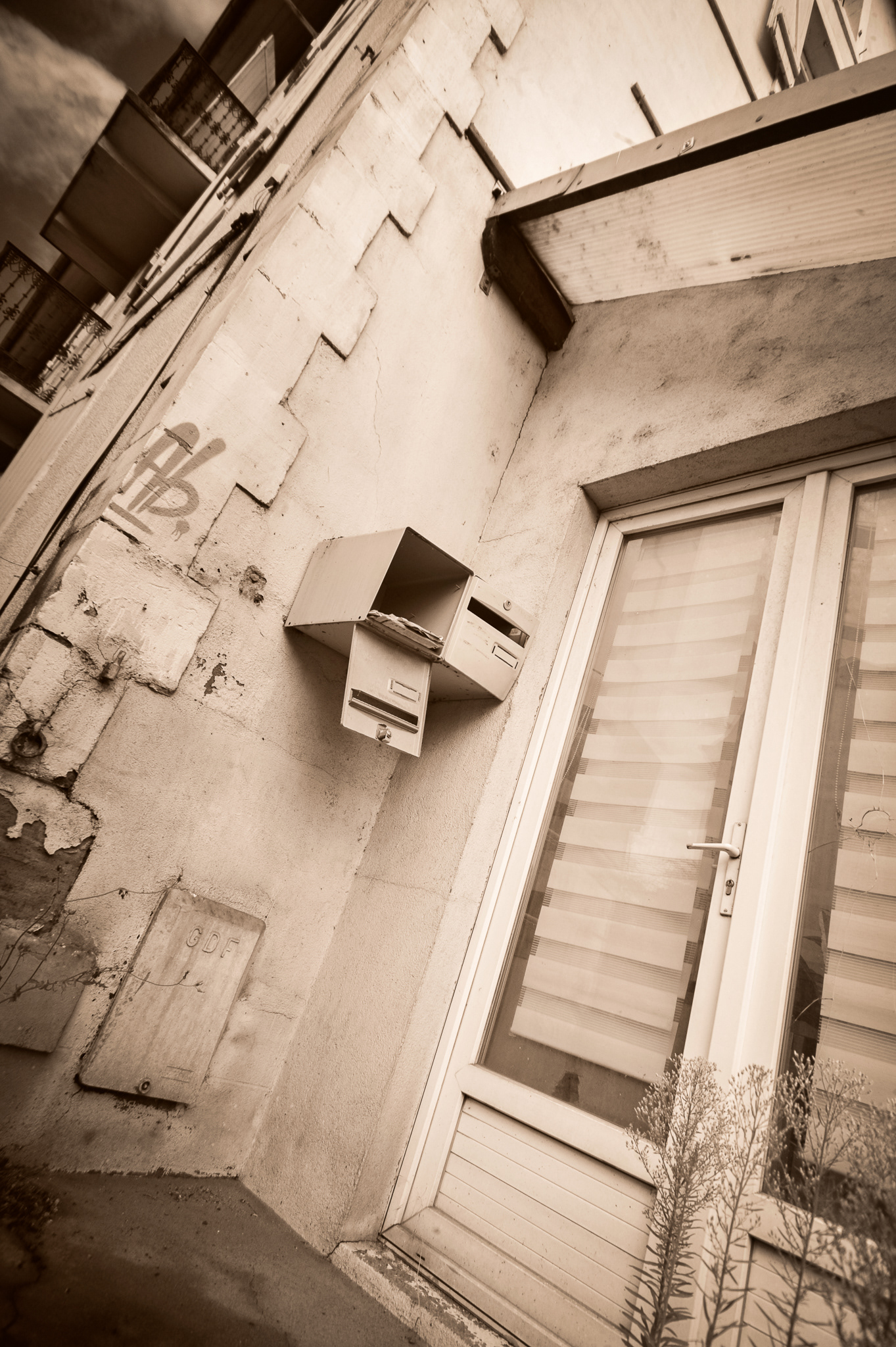
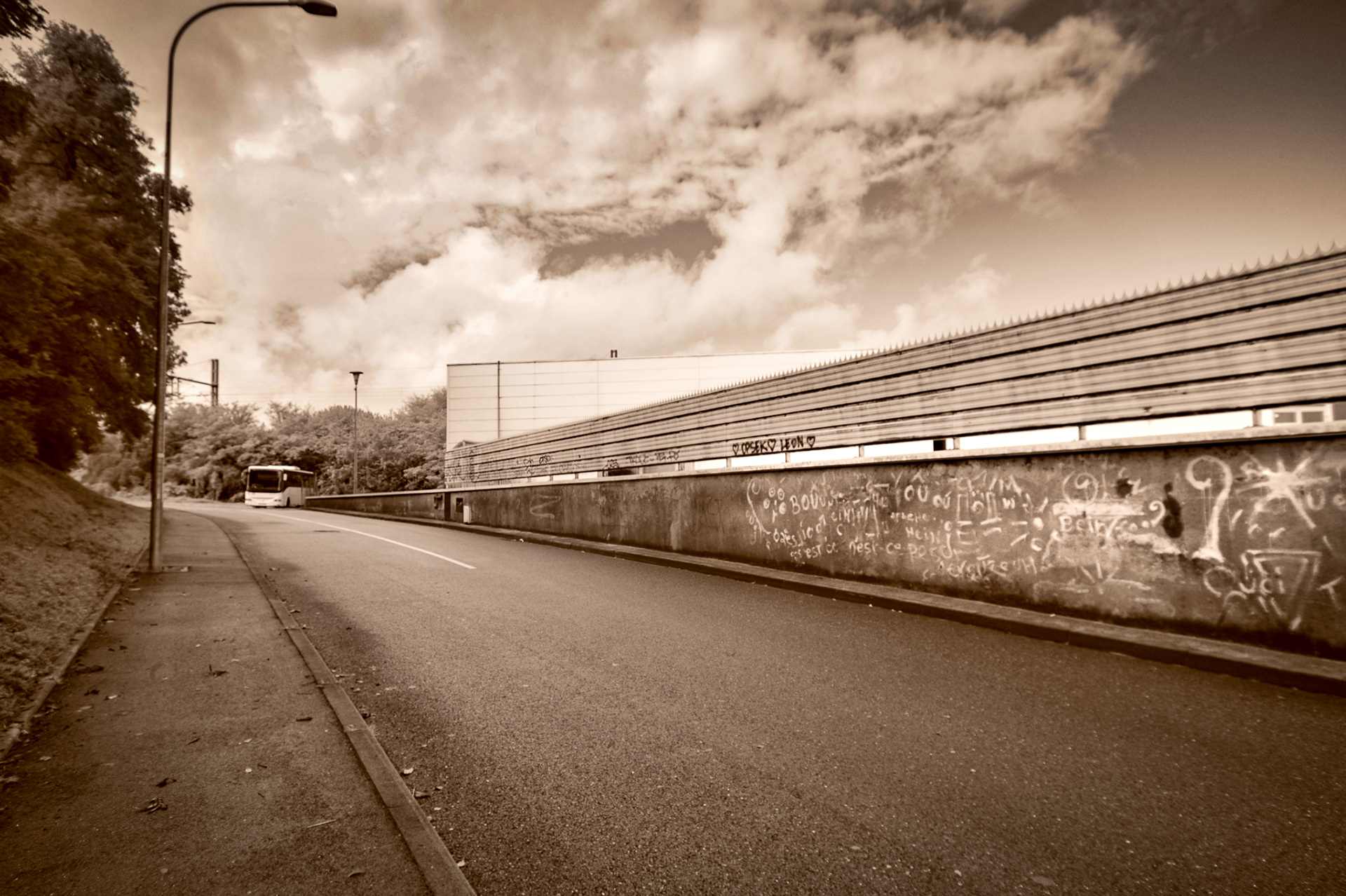
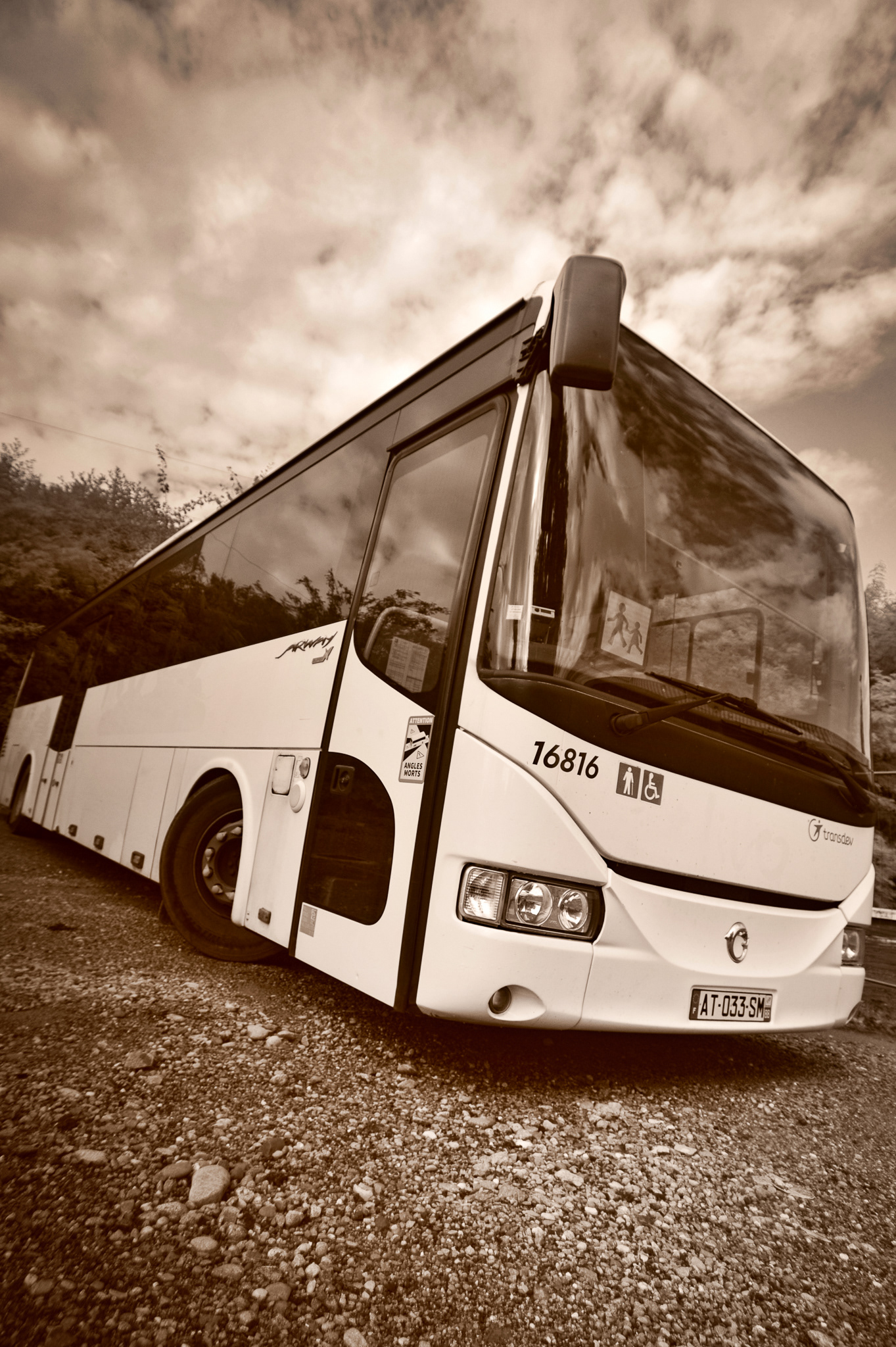
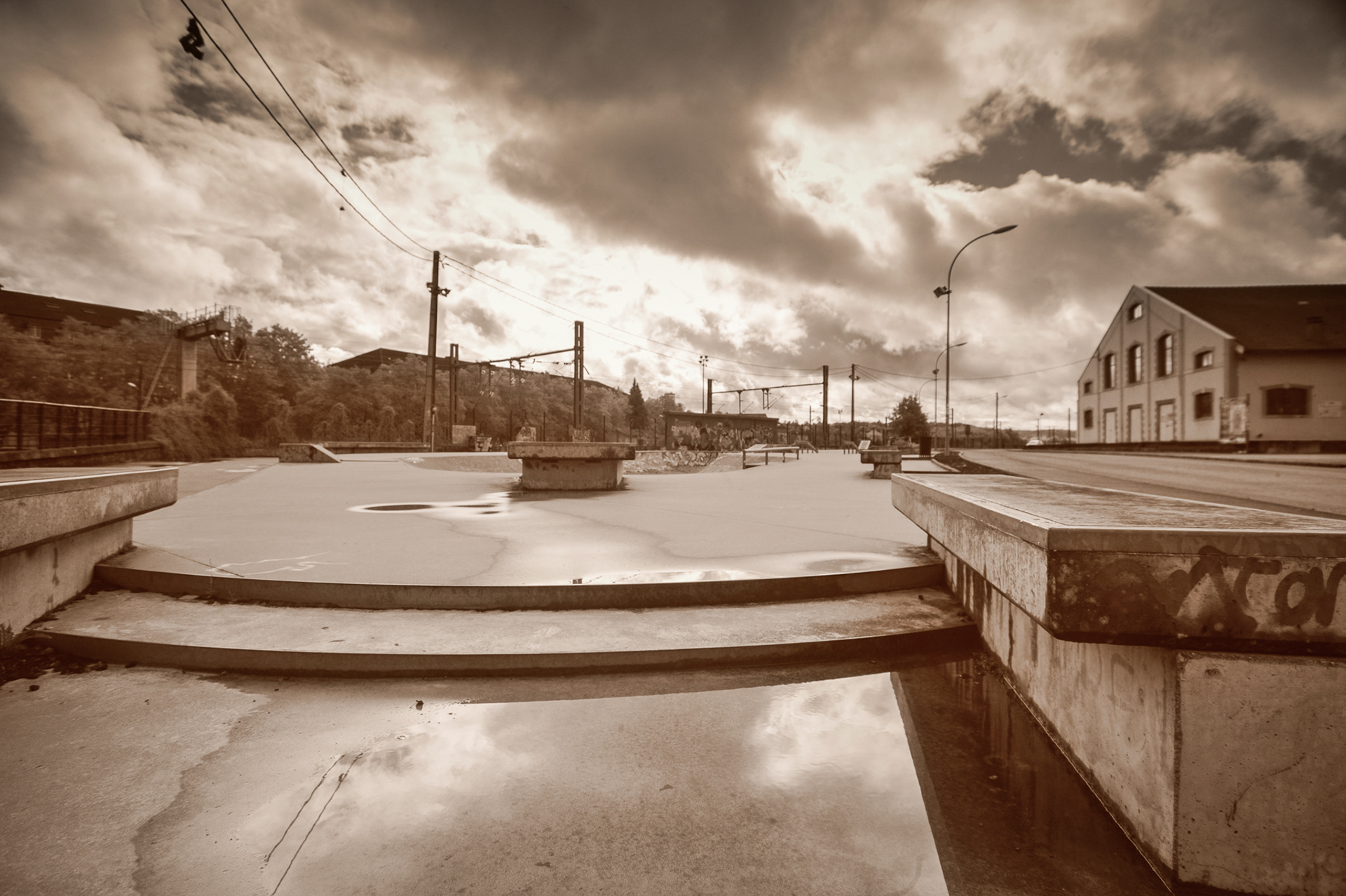
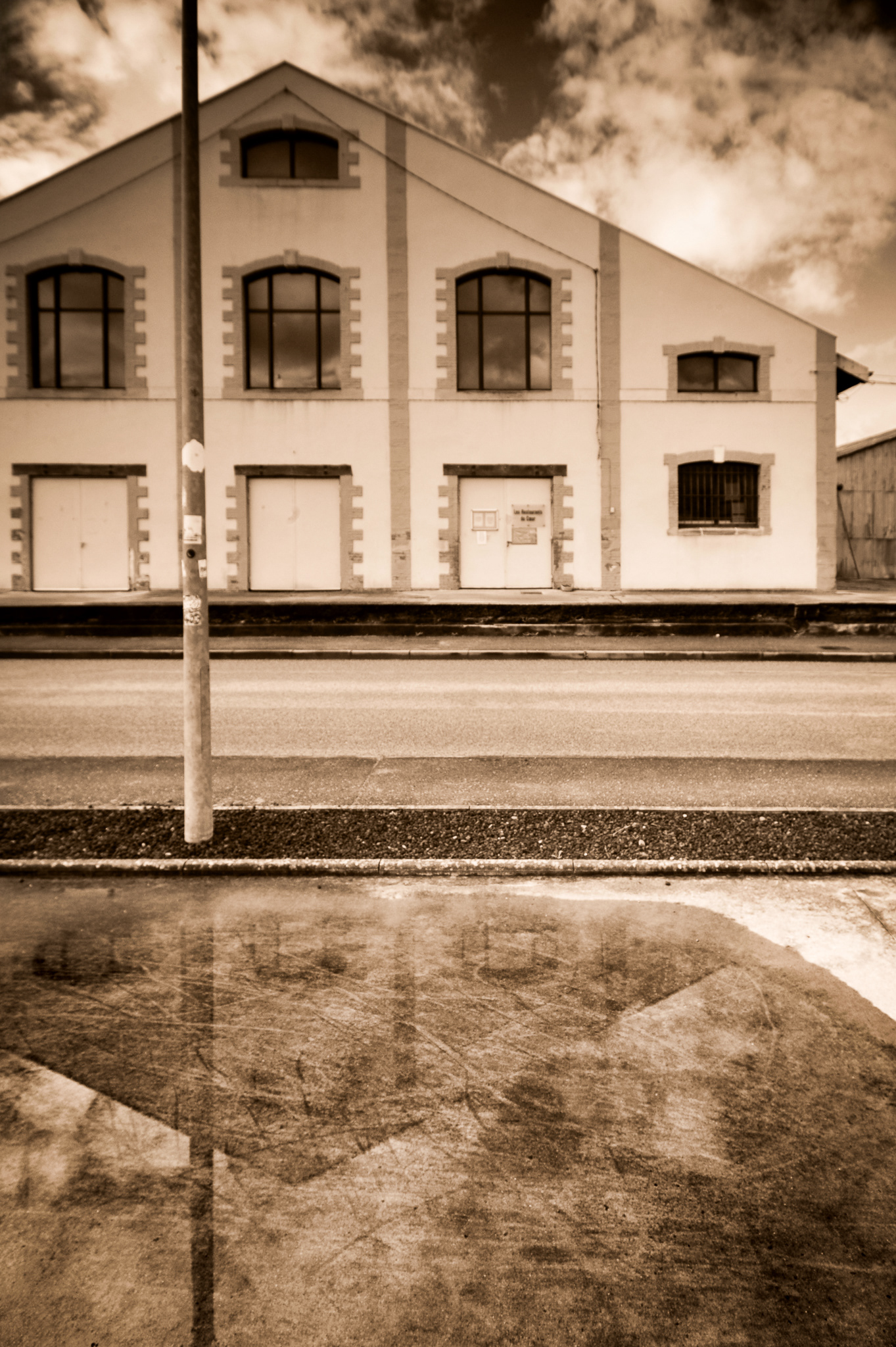
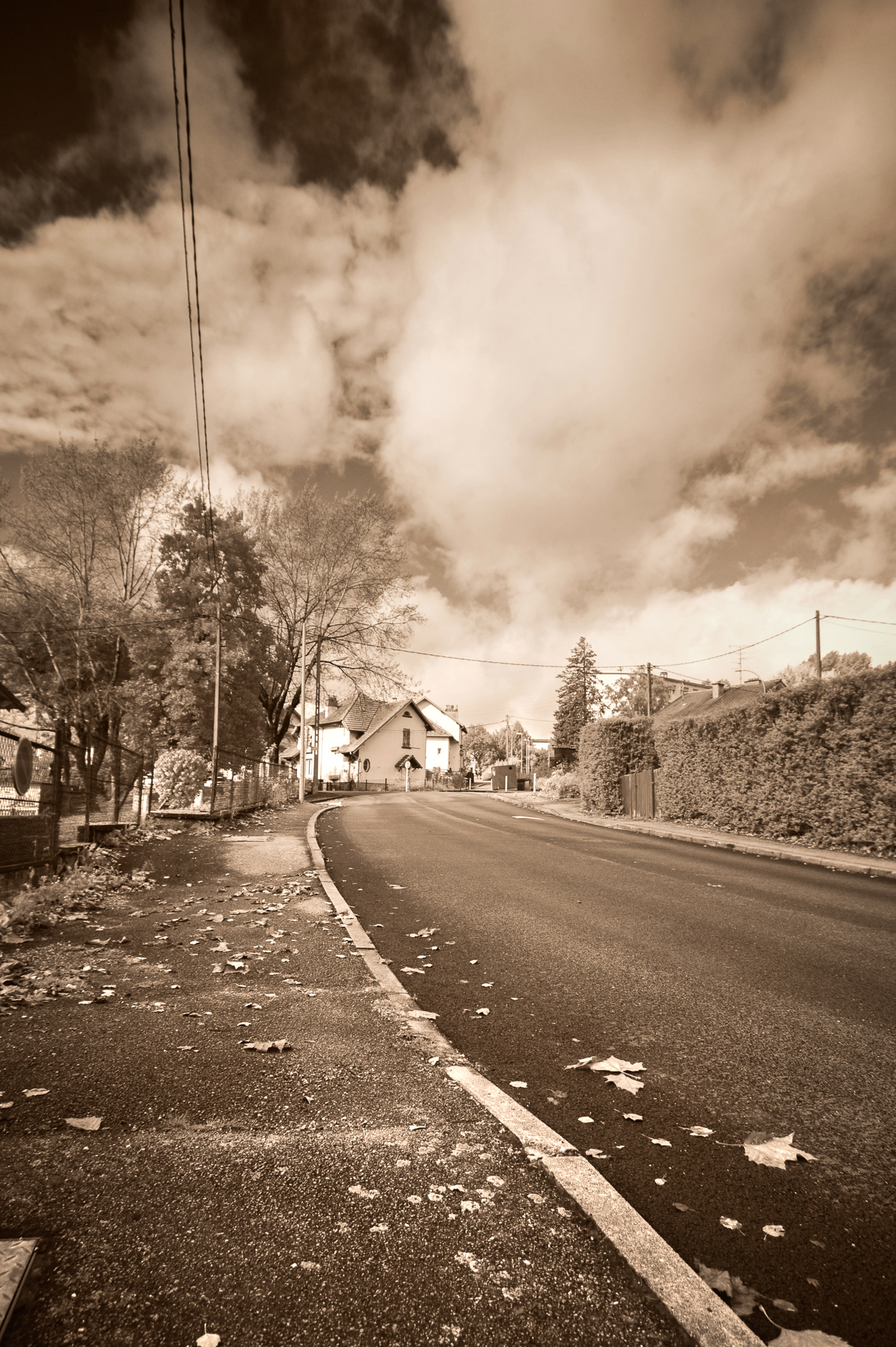
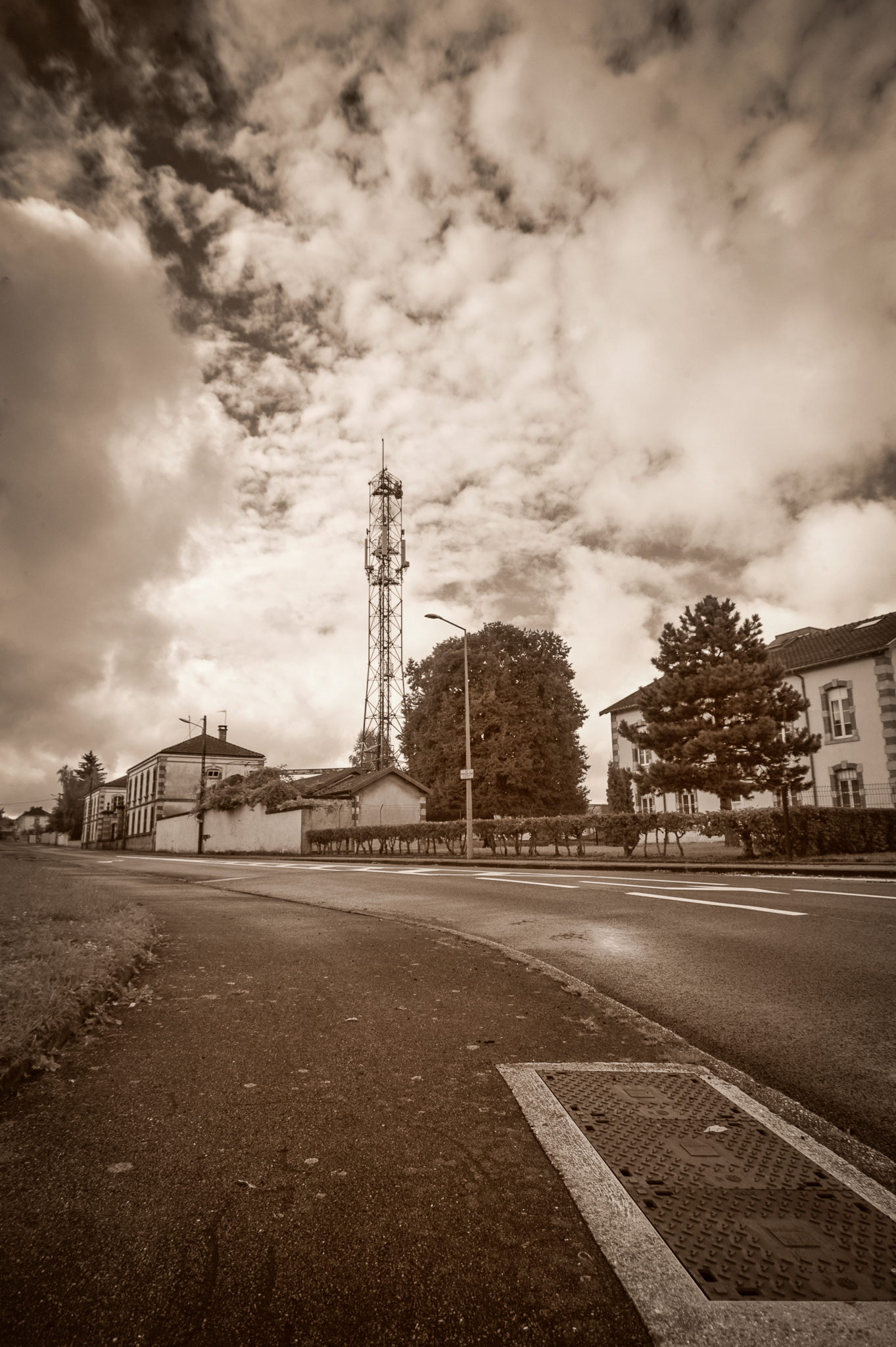
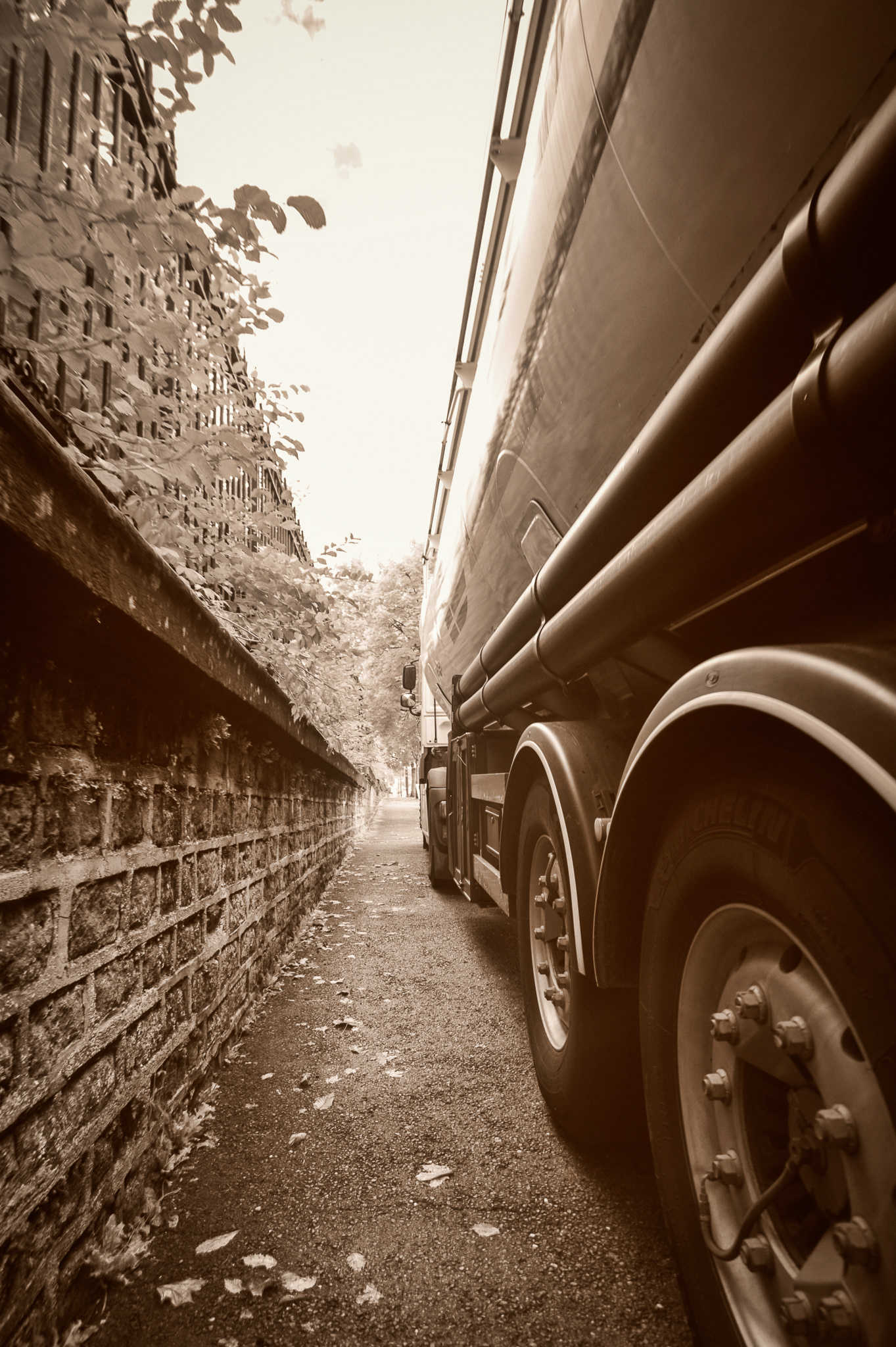
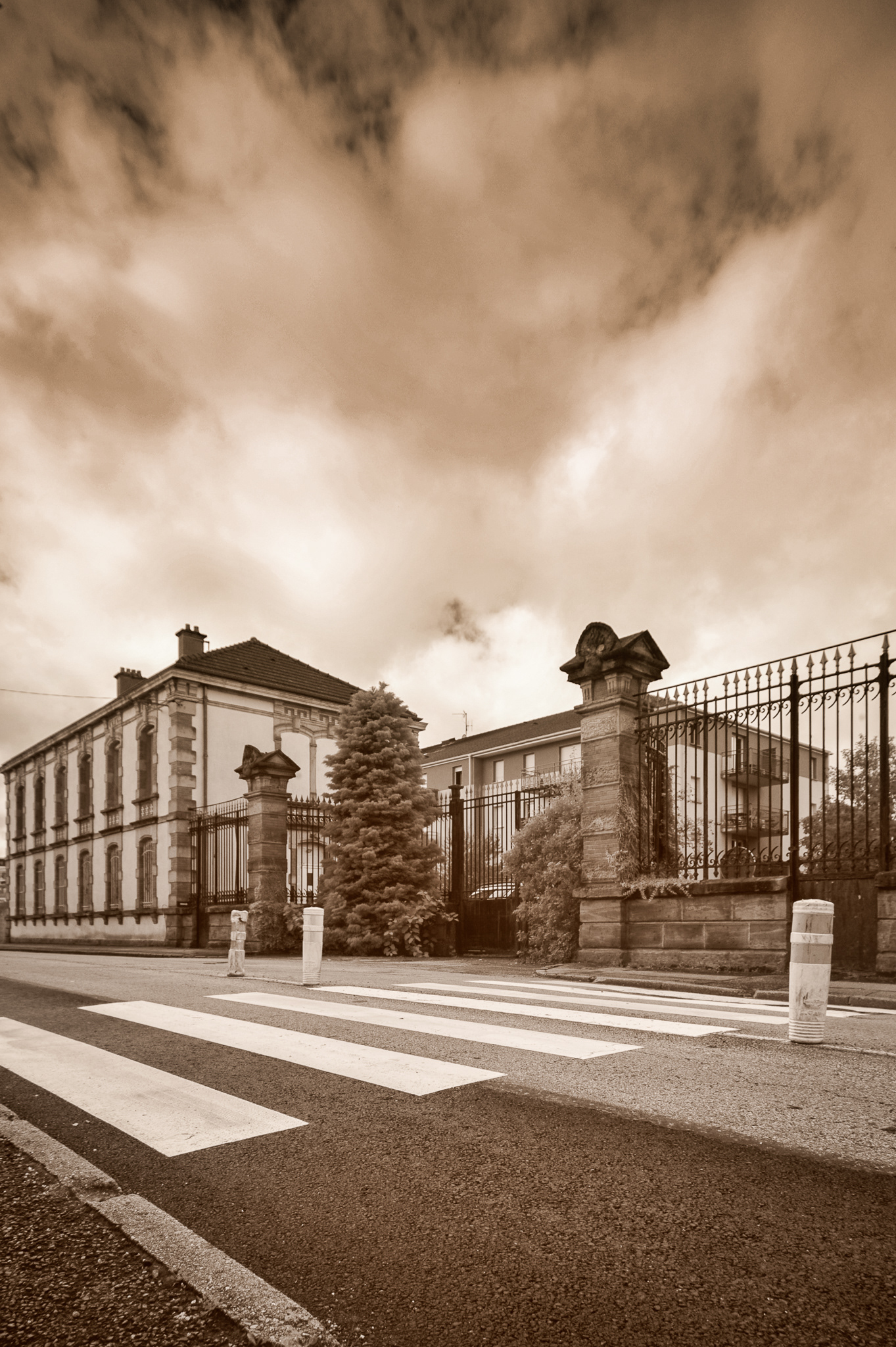
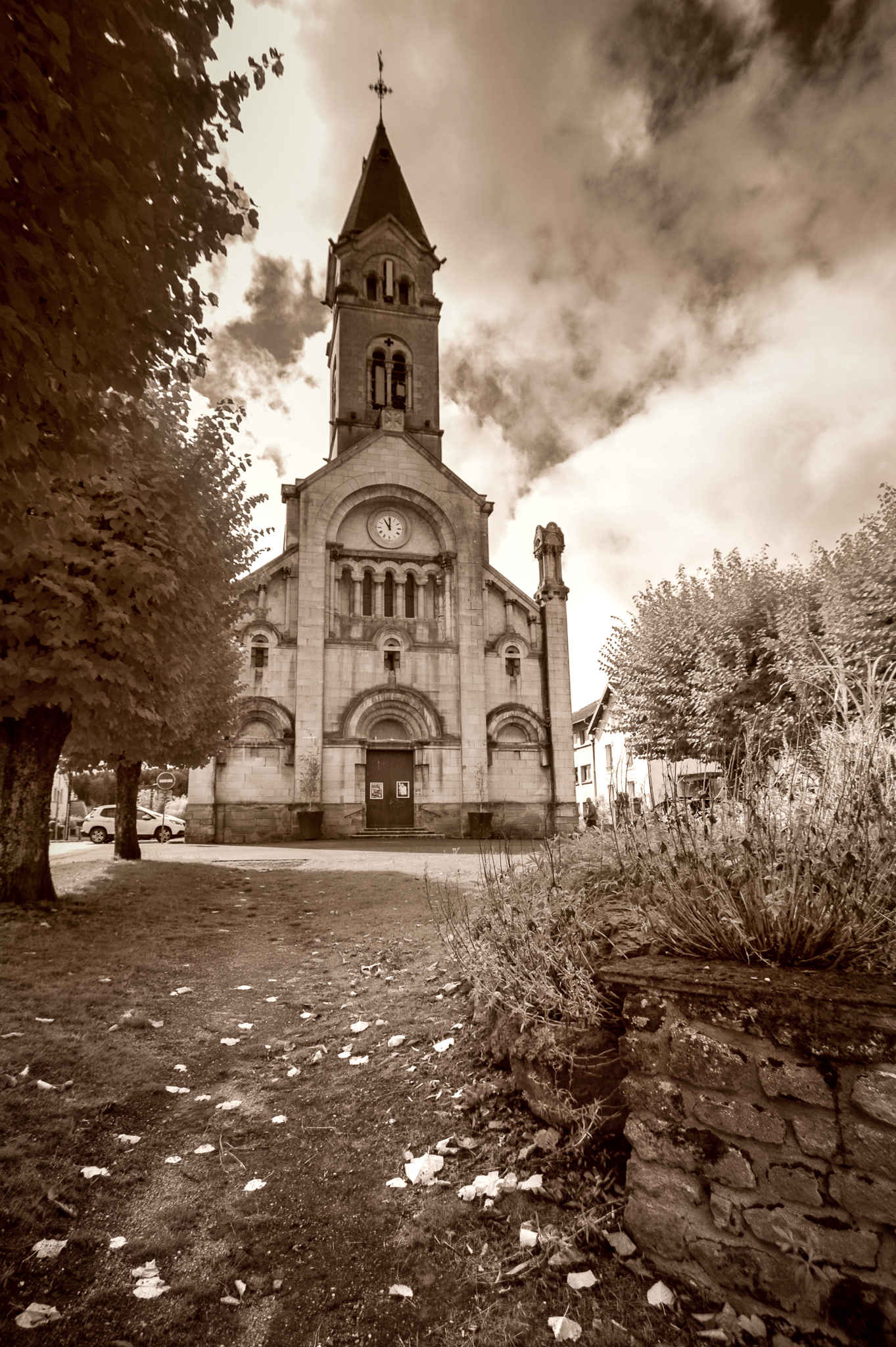
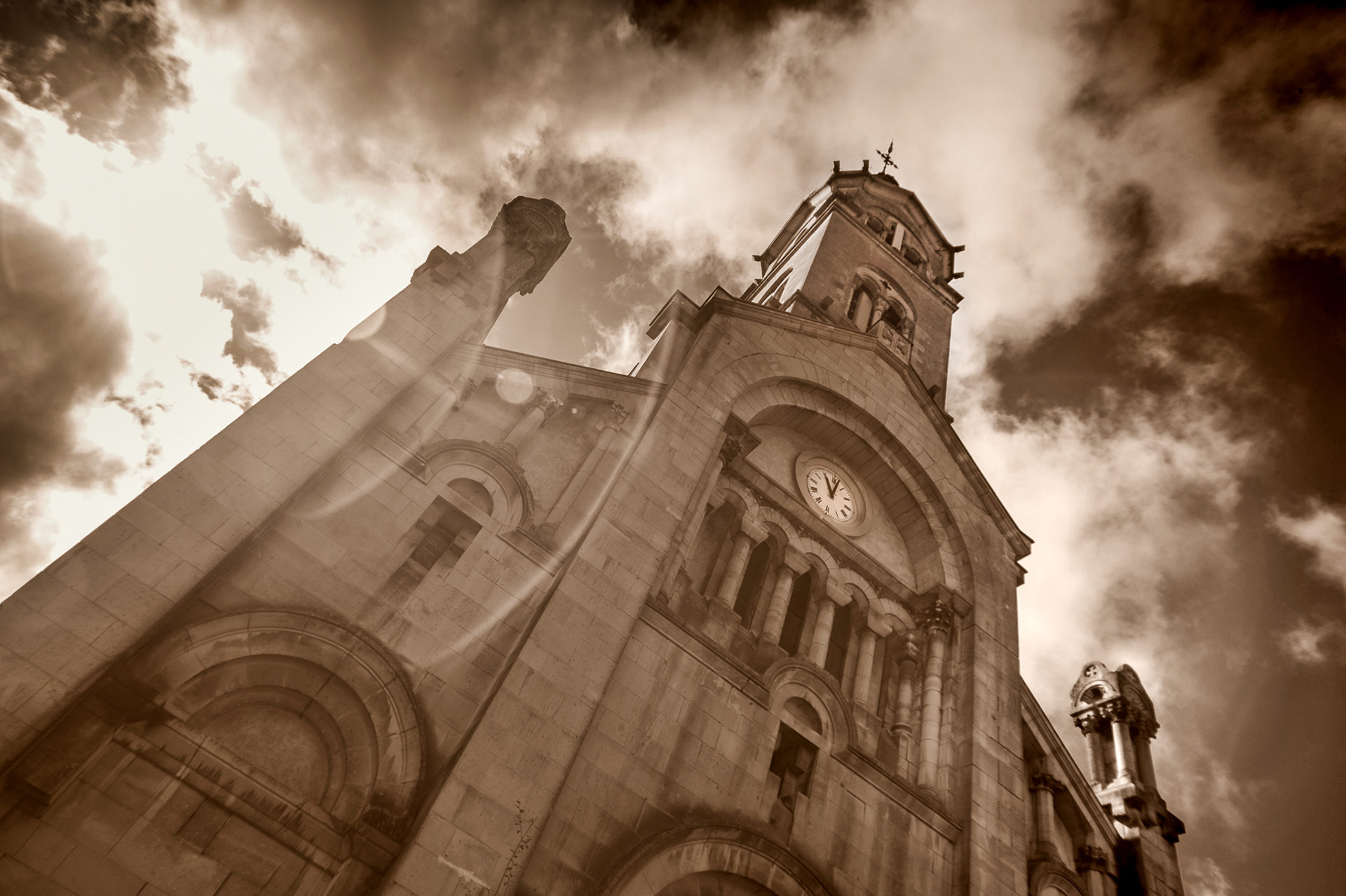
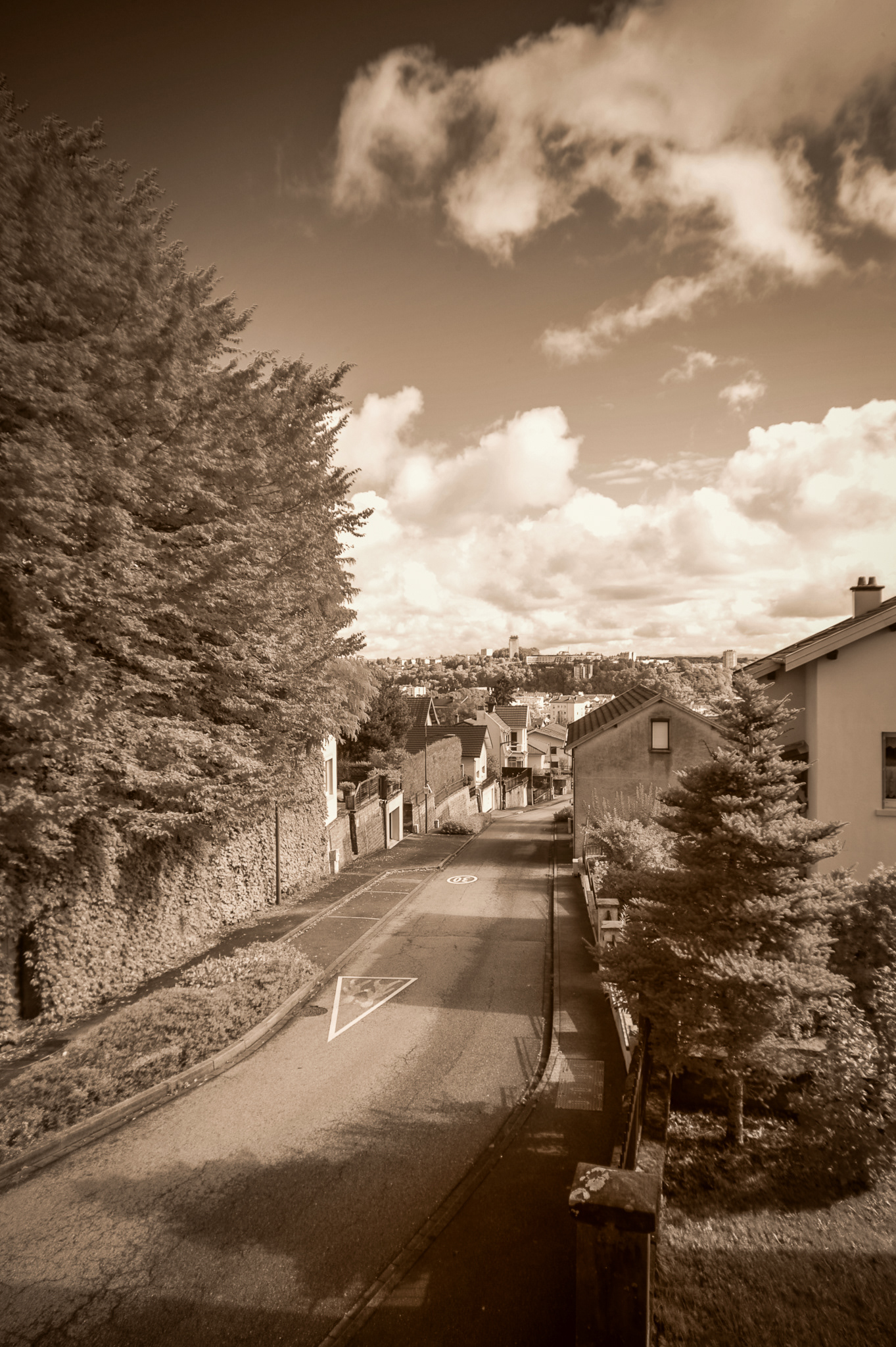
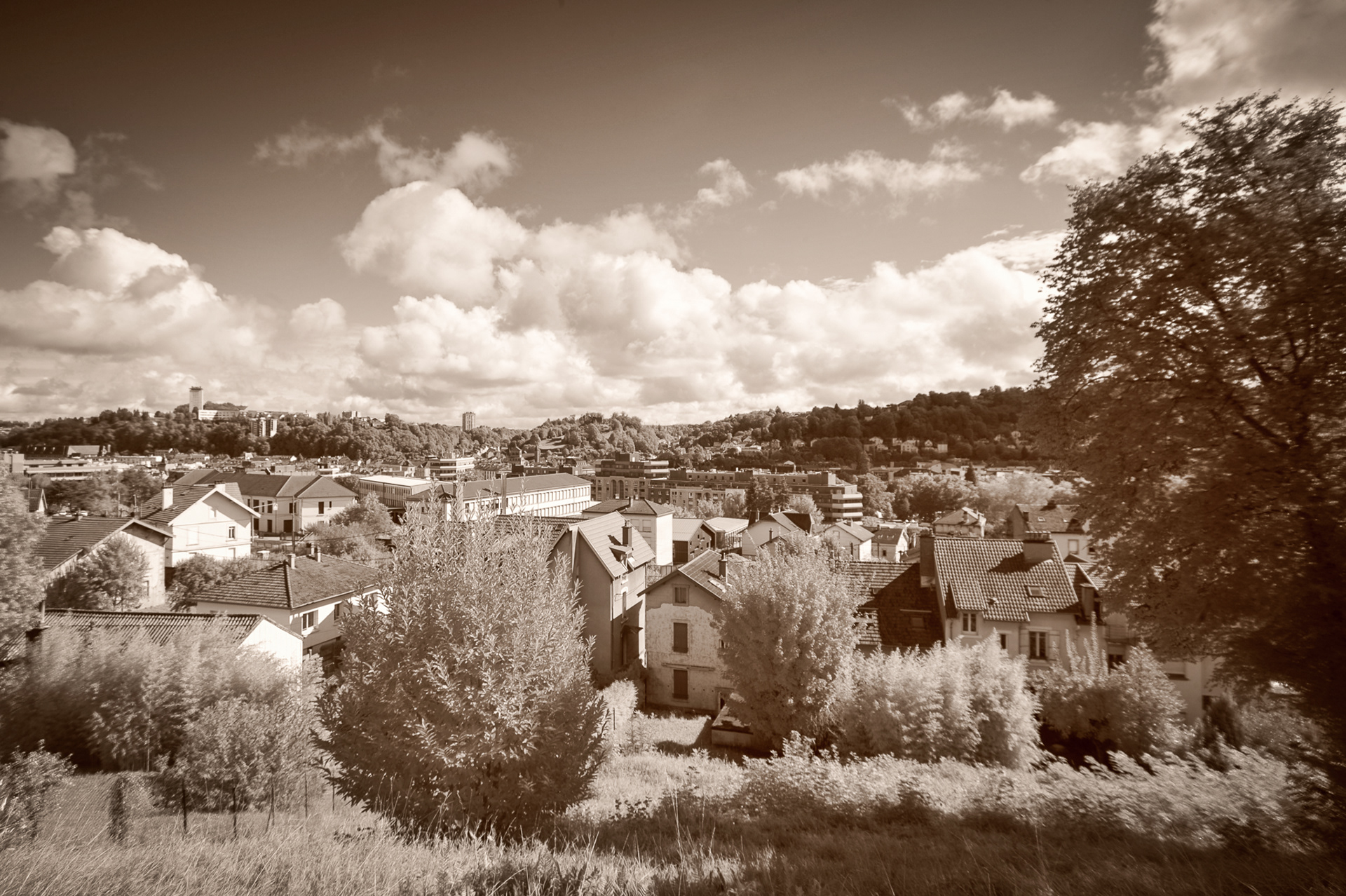
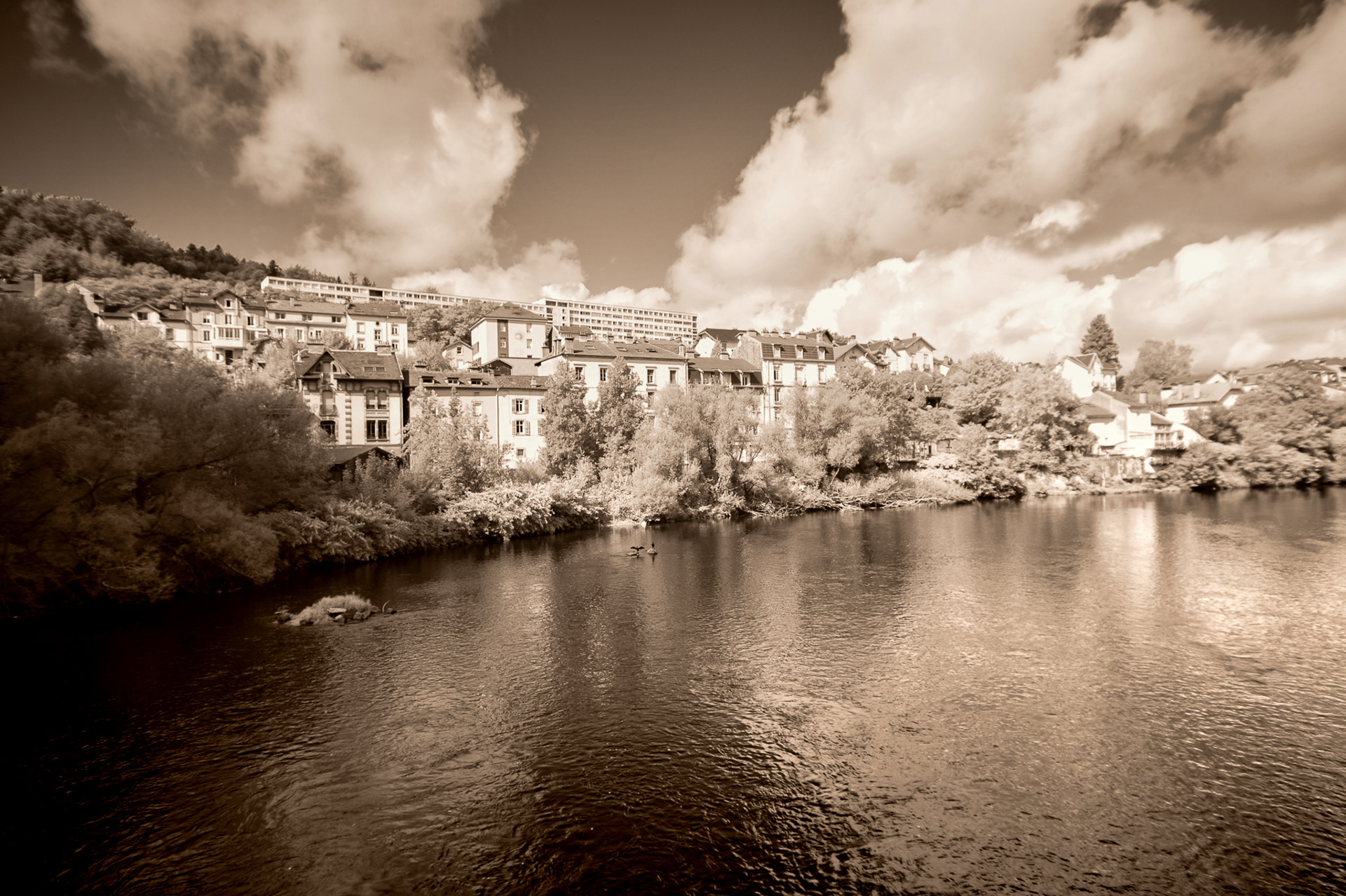
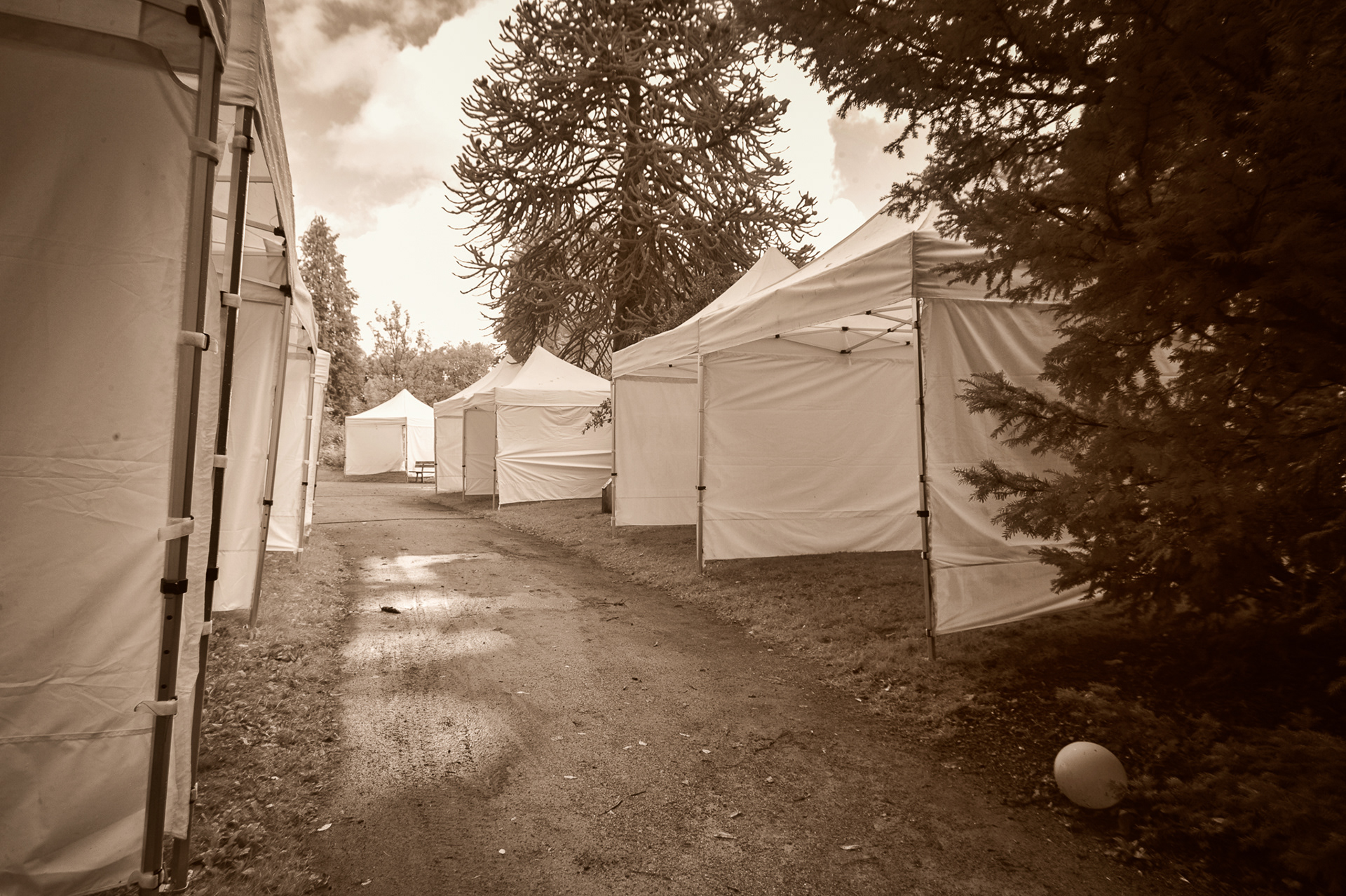
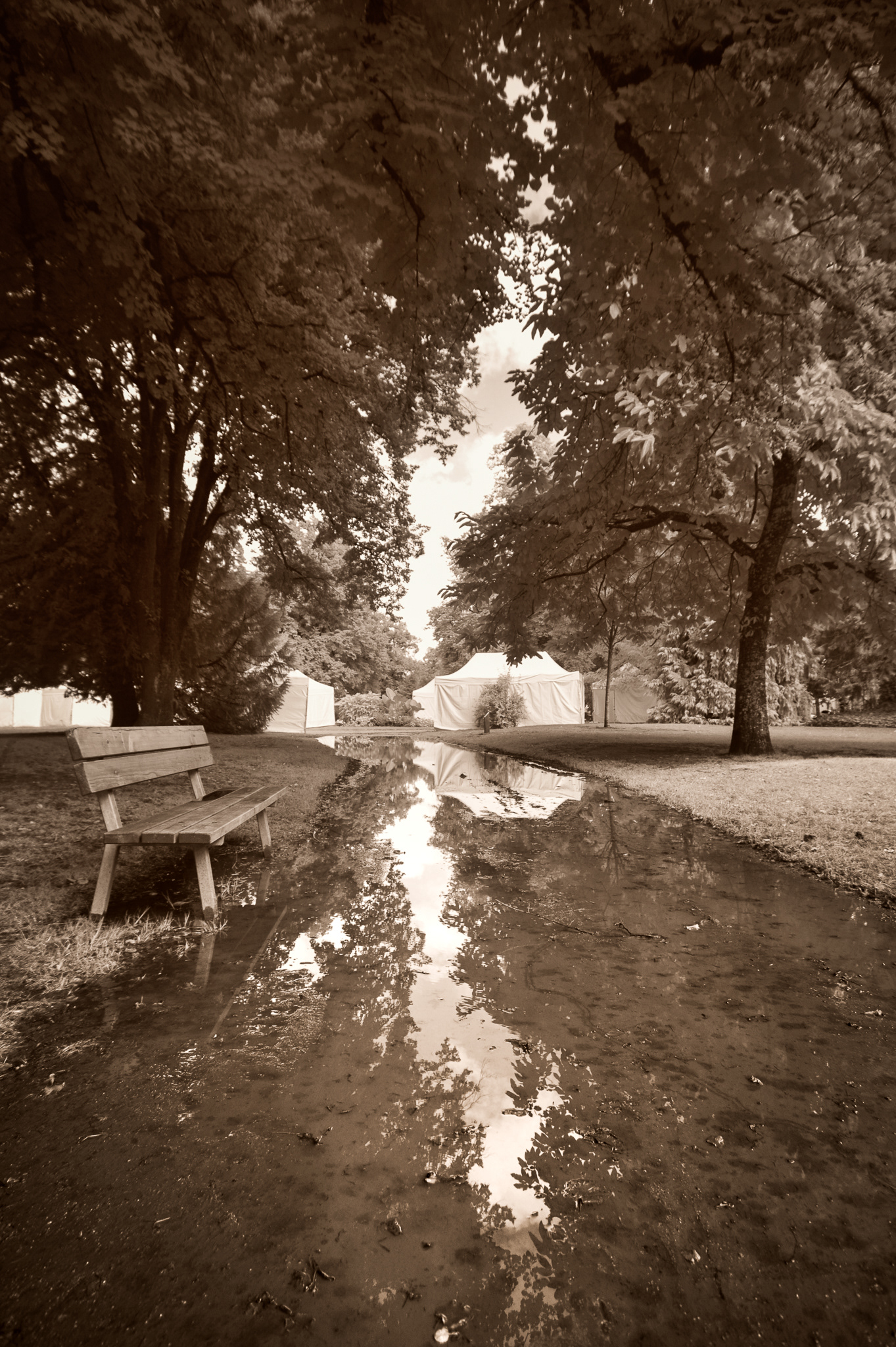
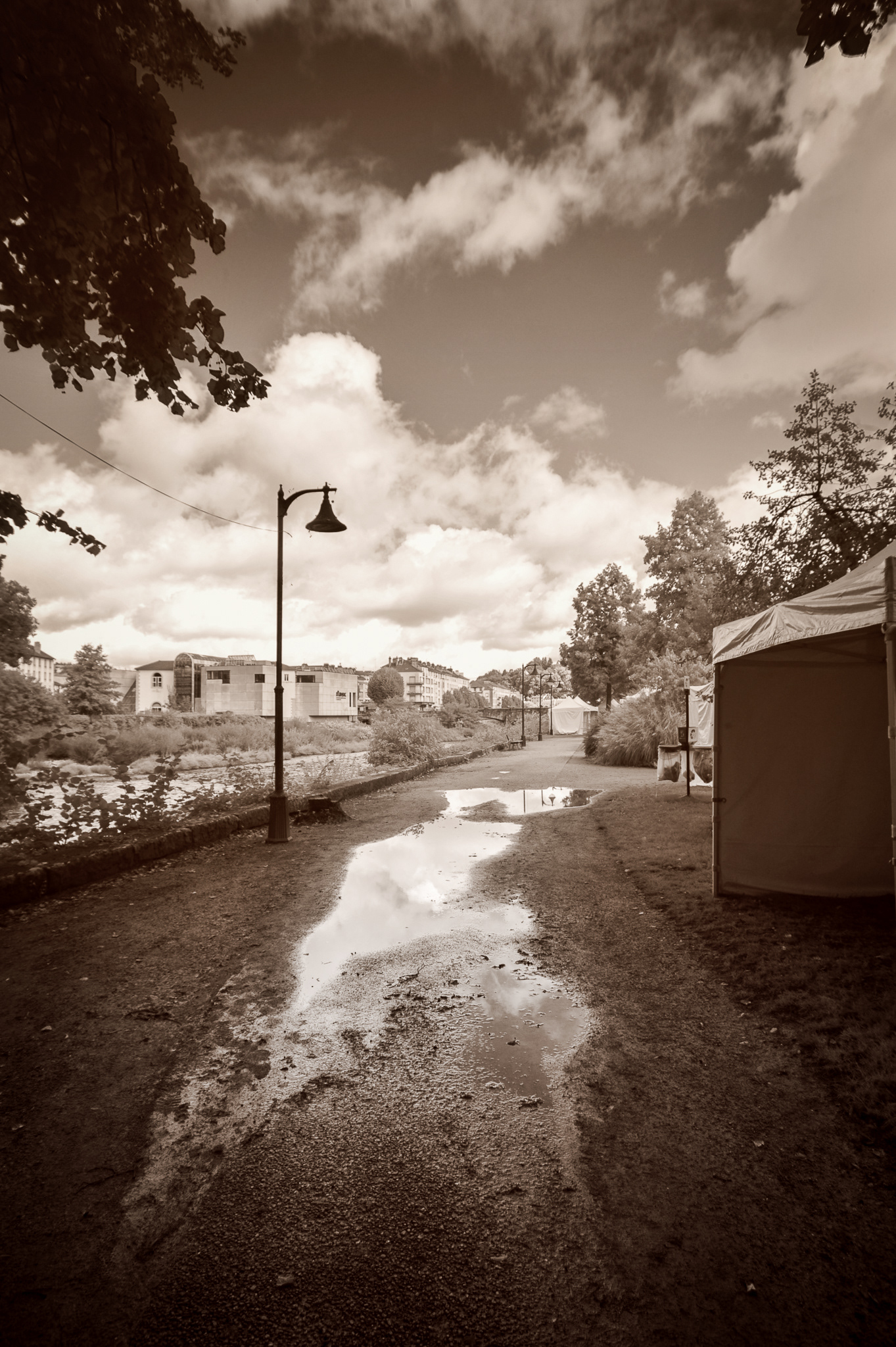
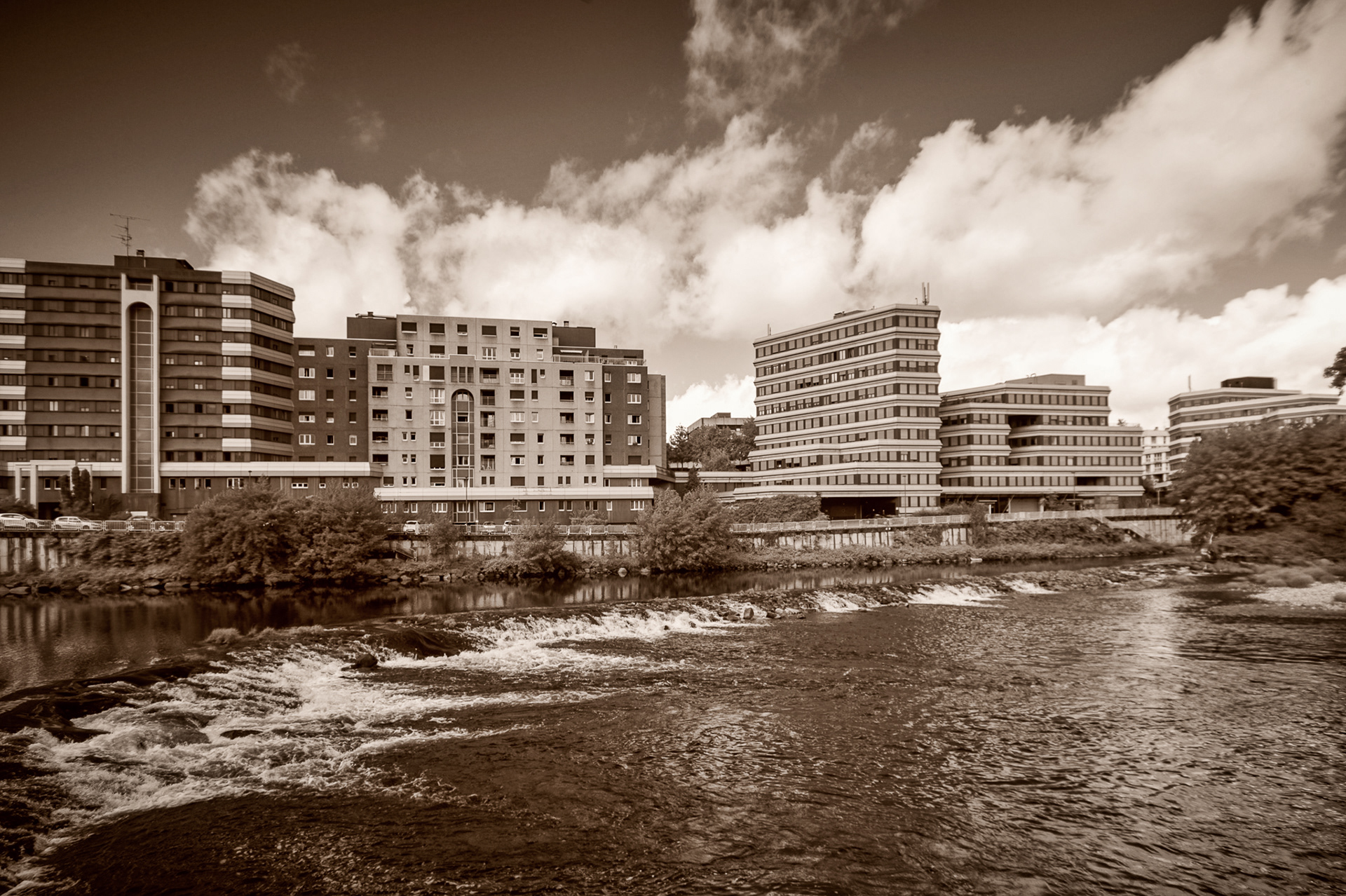
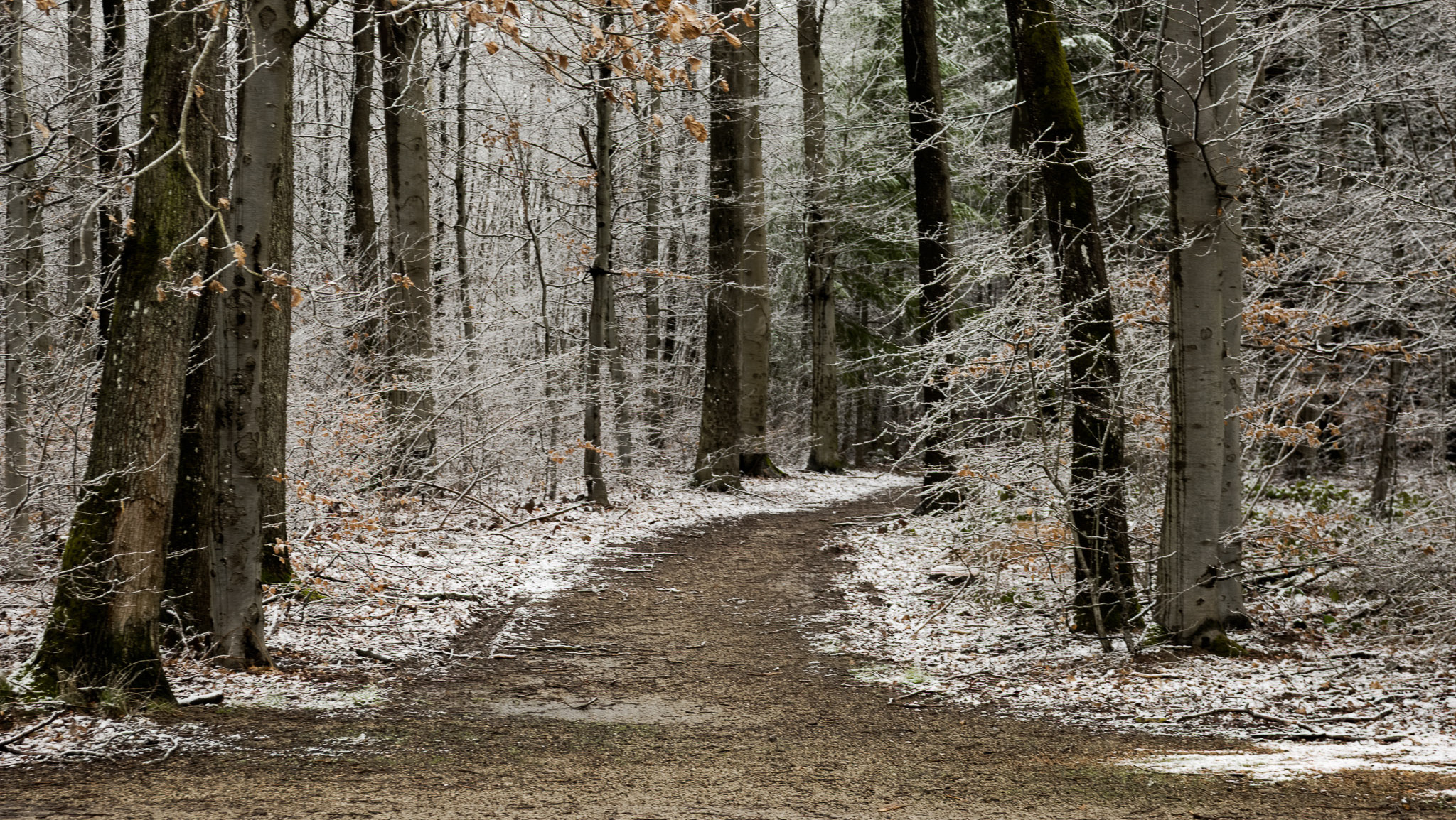
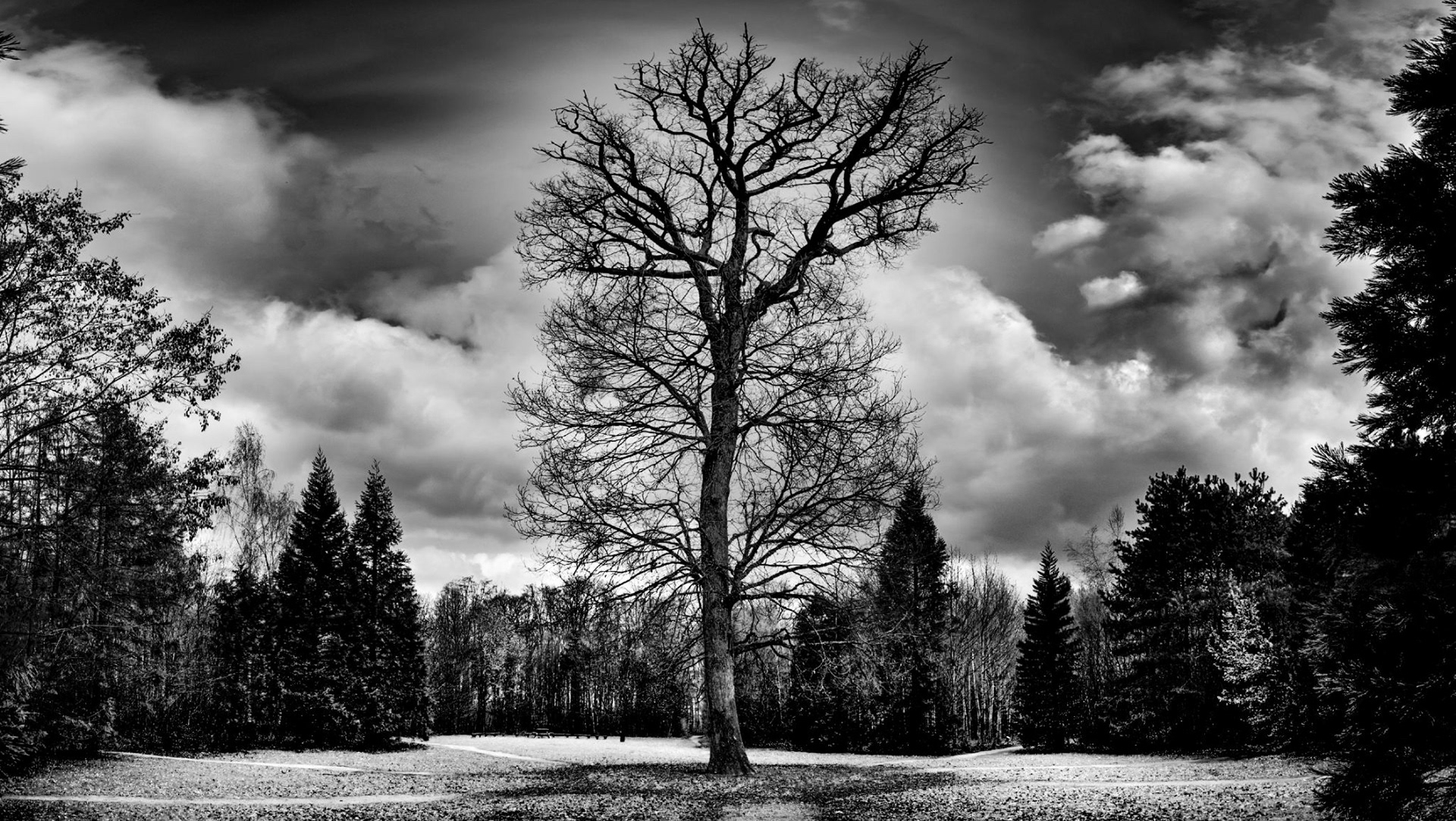
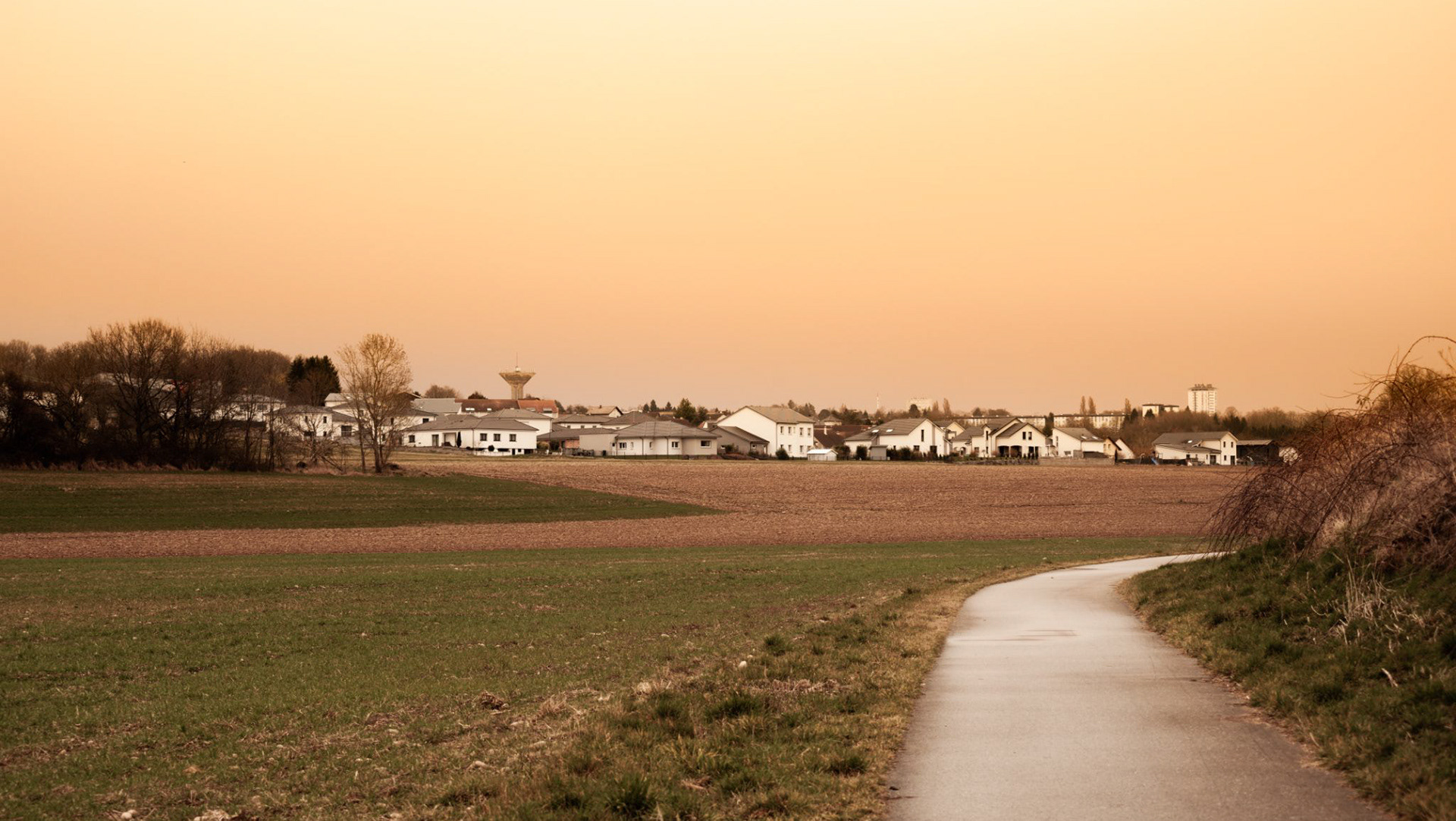
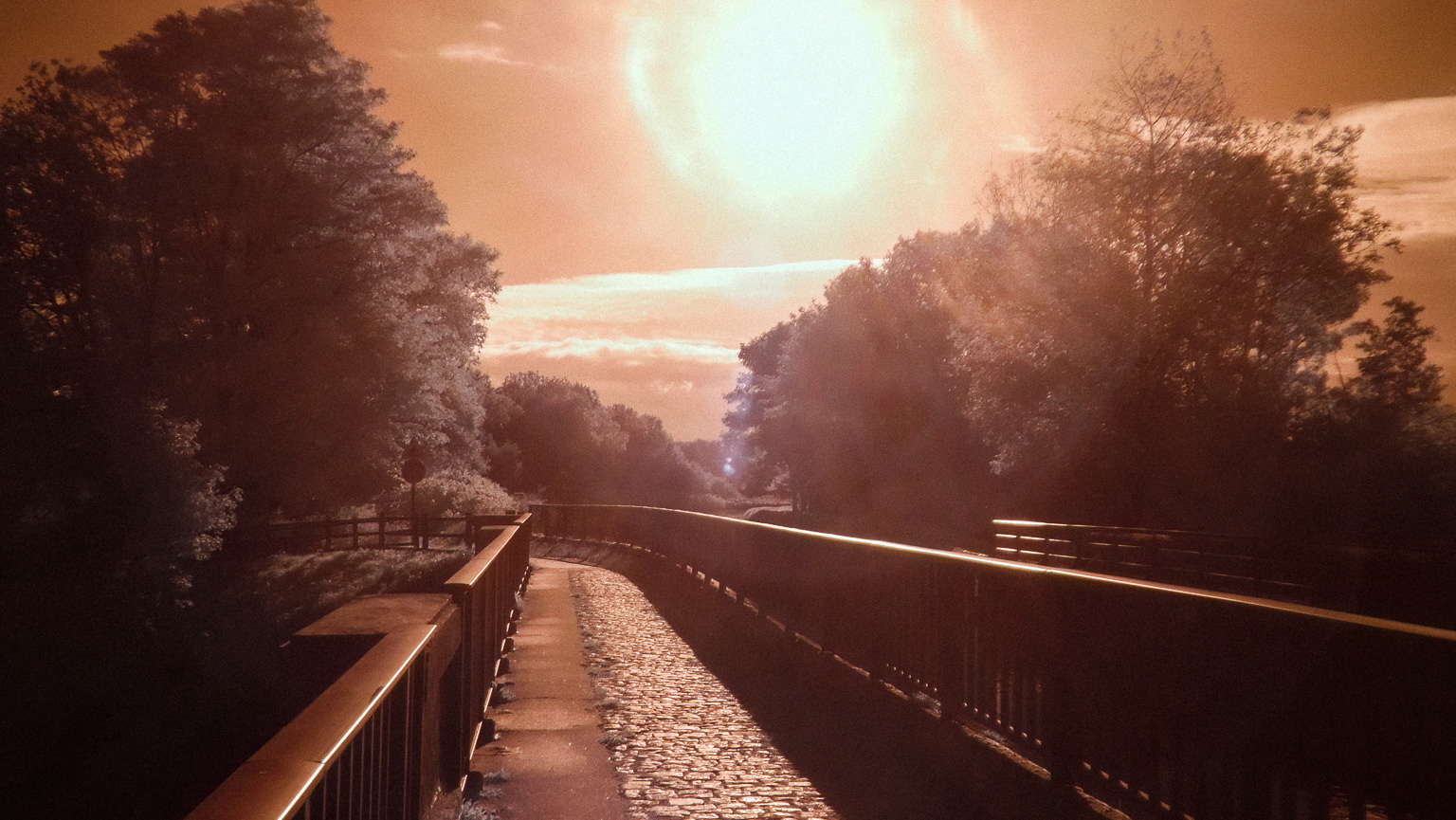
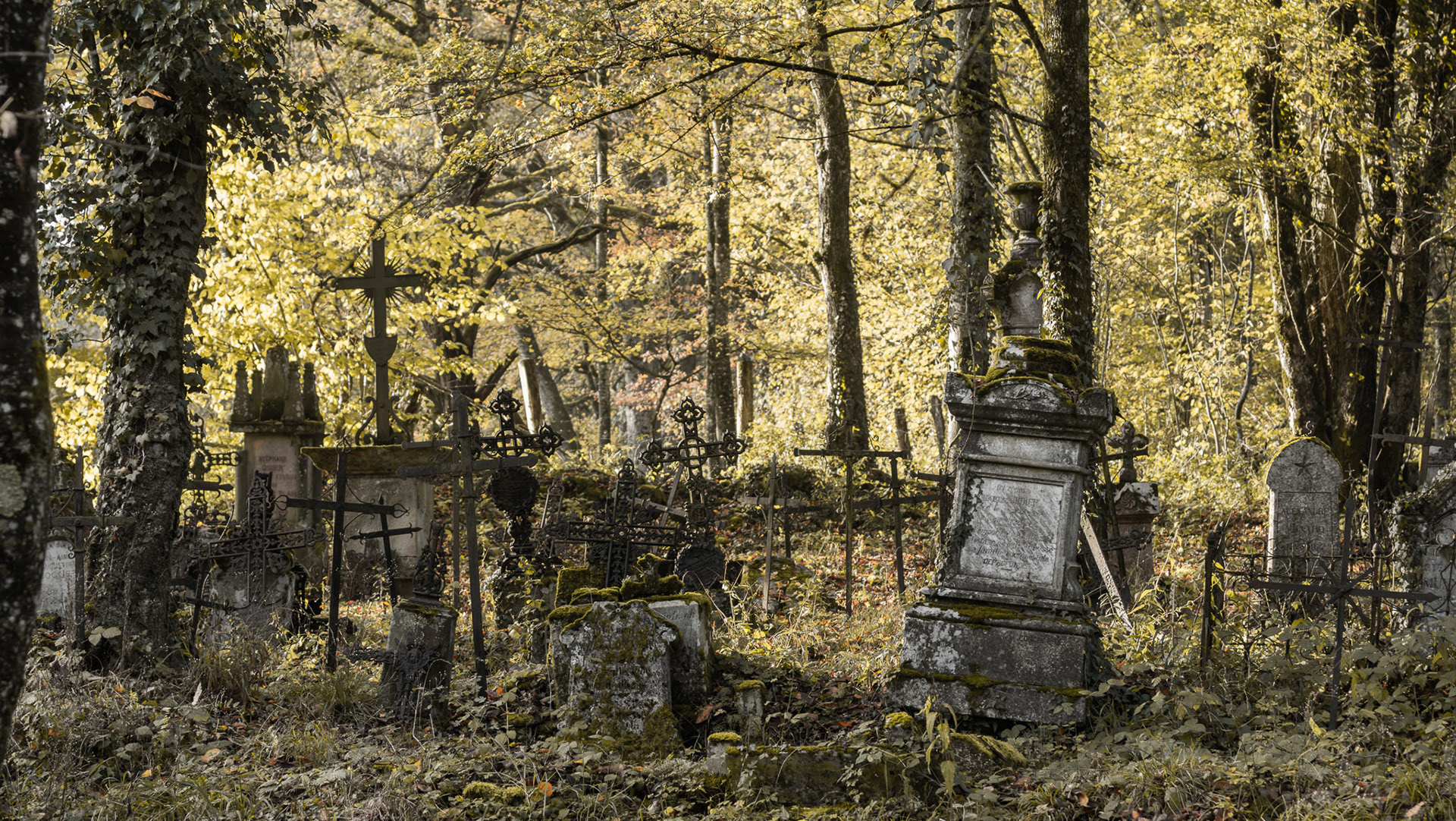
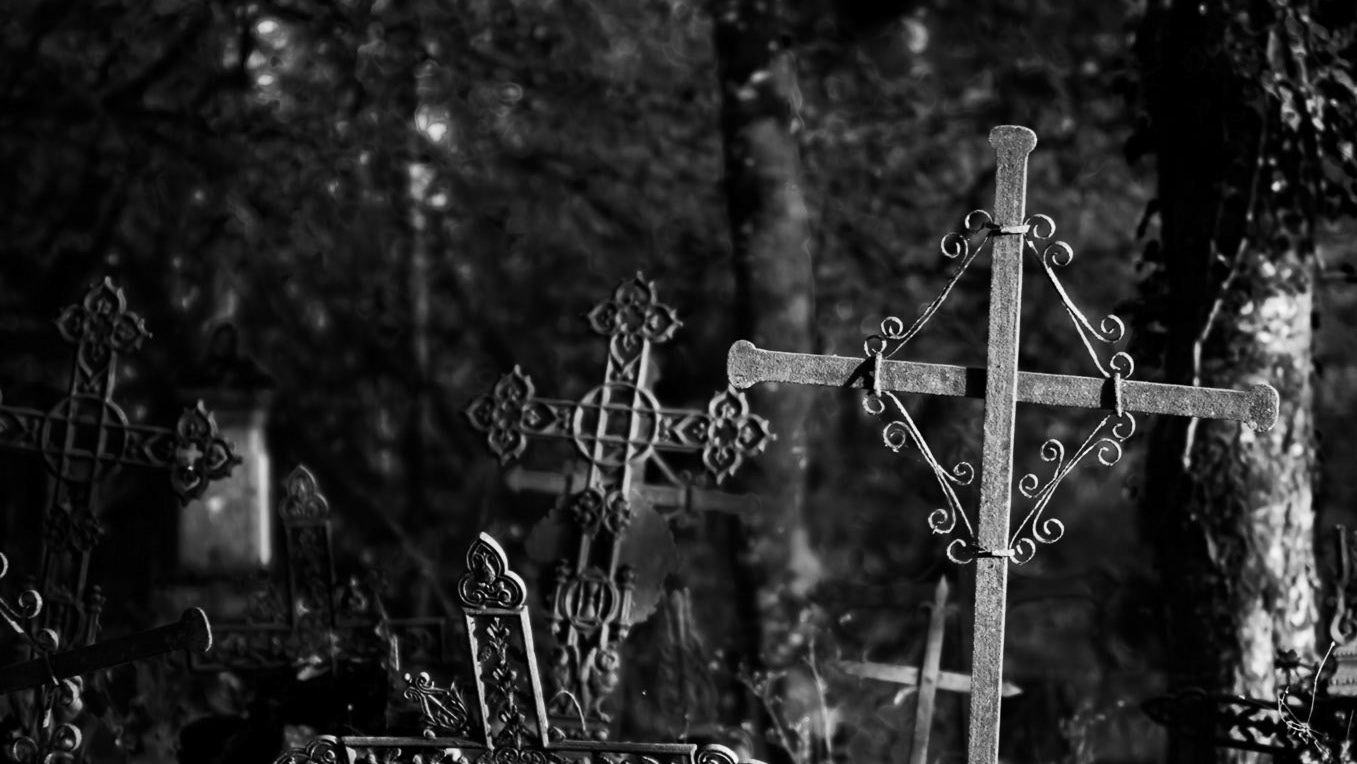
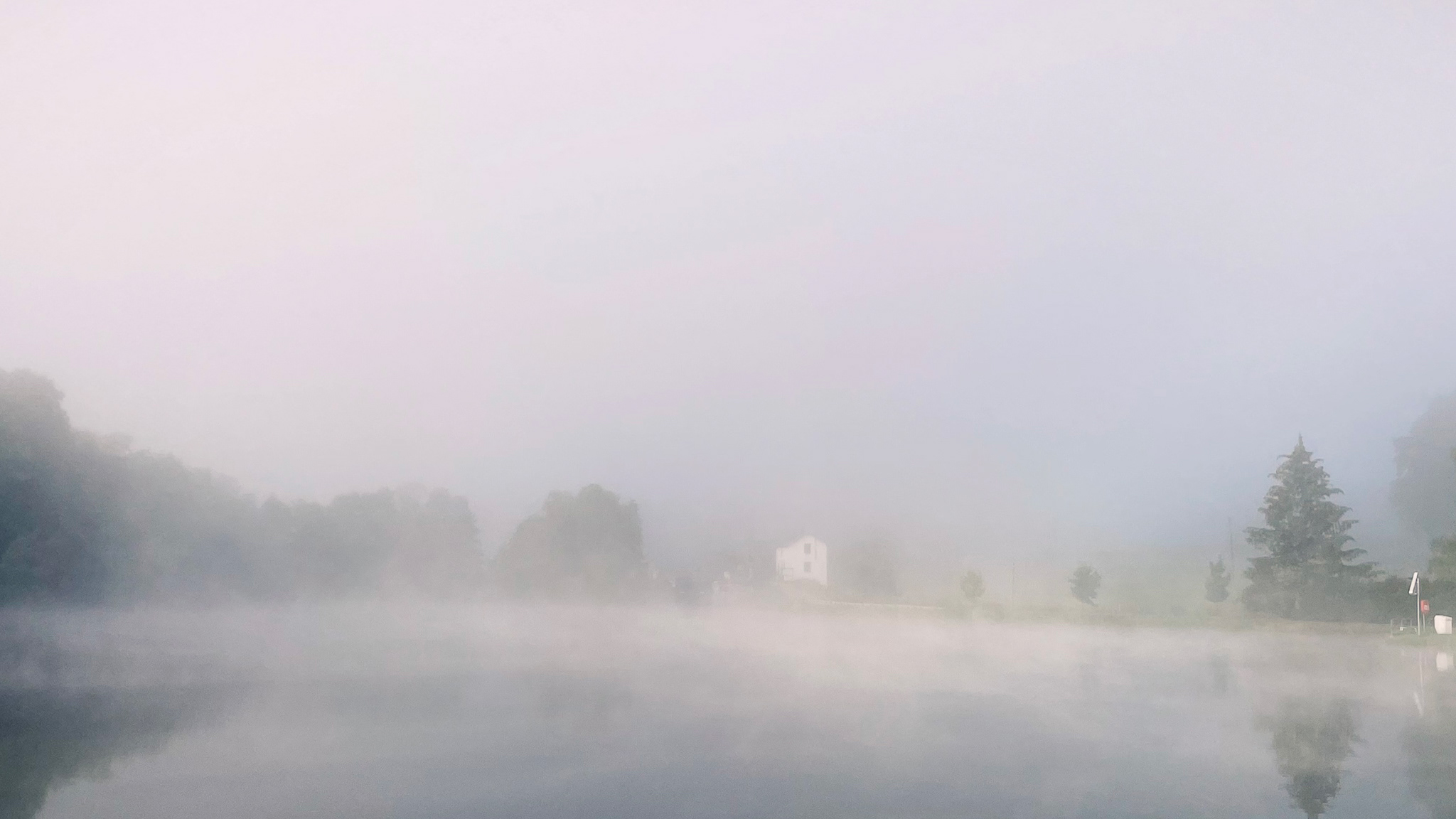
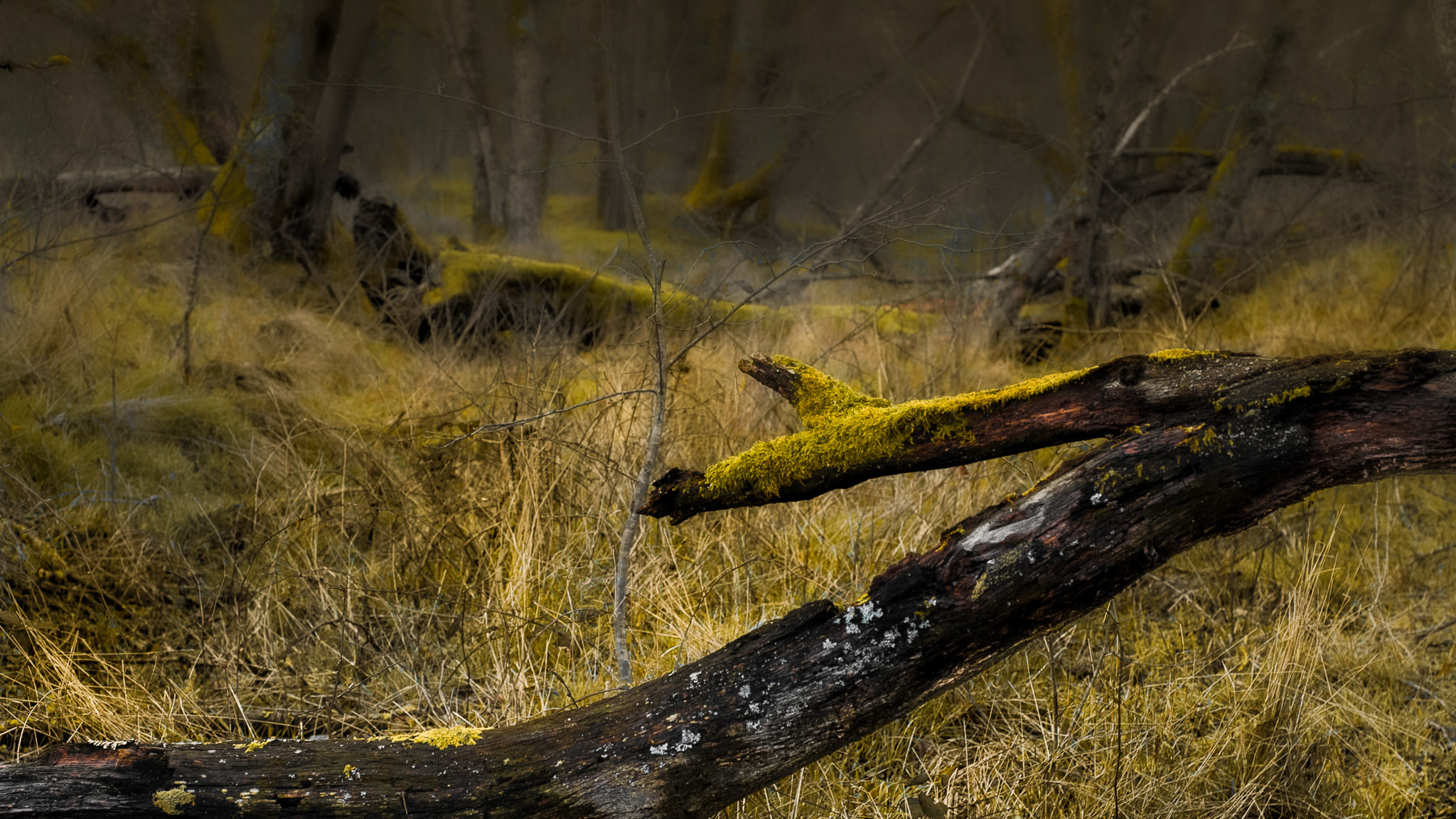
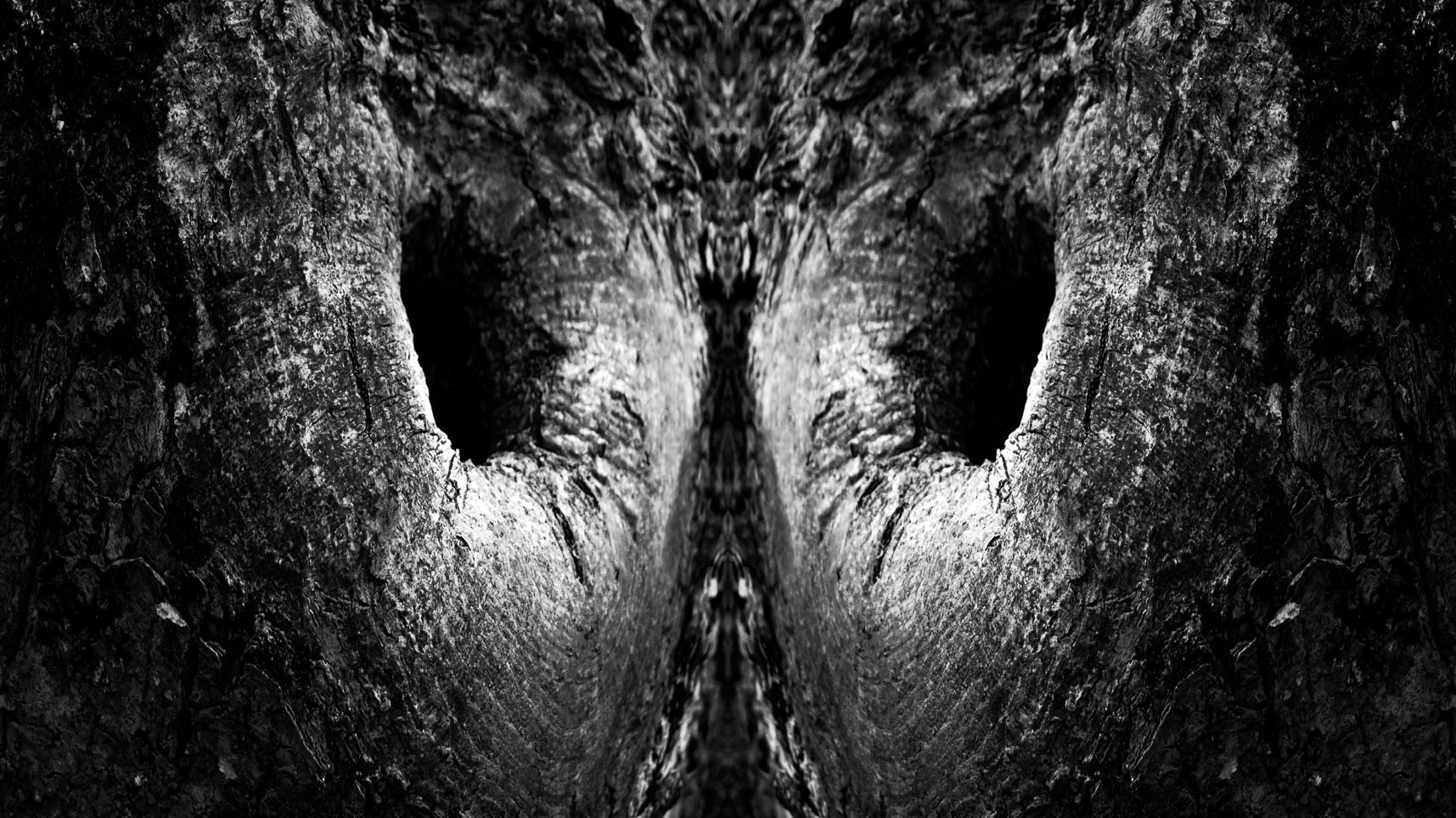
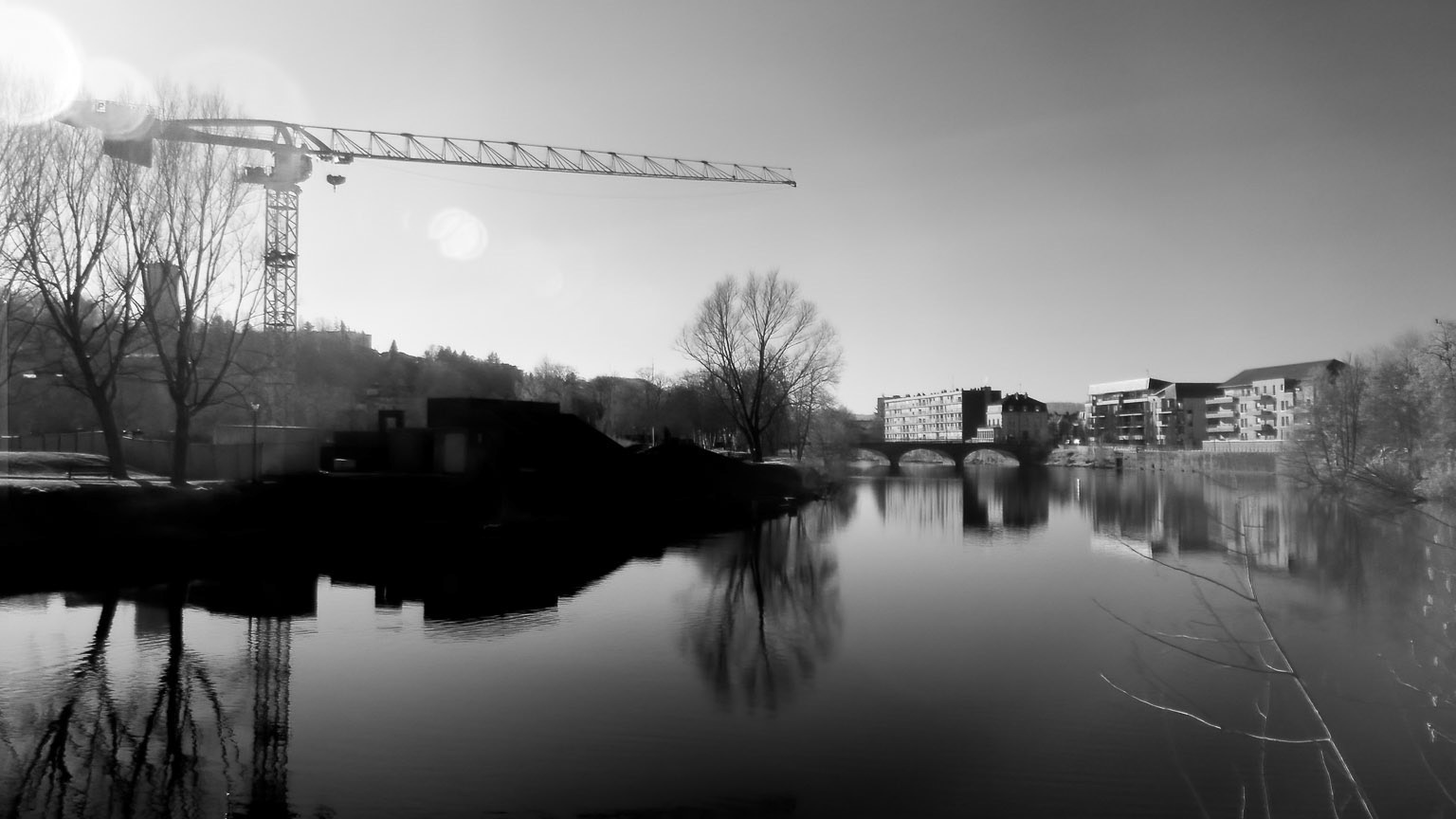
This is what happens when you give the world a different set of eyes.
A full-spectrum camera doesn't see the world as you do: it listens to a different part of the light's conversation.
Turning this spectral vision into sepia is adding memory to the alien.
It is taking this otherworldly clarity and steep it in time.
The result is neither a document of the present nor a replica of the past. It is a fossil of a moment that never quite existed for the human eye: another memory of a feeling, preserved in the amber of an alternative spectrum.
There were no edits. There was no need. The process was the filter; the seeing was the act.
Pointing this modified lens at the familiar is asking a simple question: what is the true color of a thing? Is it the wavelength it reflects to our limited senses, or is it the emotional weight it carries? In this walk, stone holds heat, foliage emits its own cold light, and every shadow is a pool of potential.
This is not a photograph of a place. It is a photograph of a possibility.
A proof that reality has more doors than we have senses to perceive, and that sometimes, you must build a new key: a preset, a modified sensor, a willingness to see sepia not as nostalgia, to unveil the native tongue of a hidden world.